UK Betting Shops See Over 540 Closures and 4,500 Job Losses Since Last Budget
Taylor Neumann · Aug 19, 2026

UK Betting Shops See Over 540 Closures and 4,500 Job Losses Since Last Budget
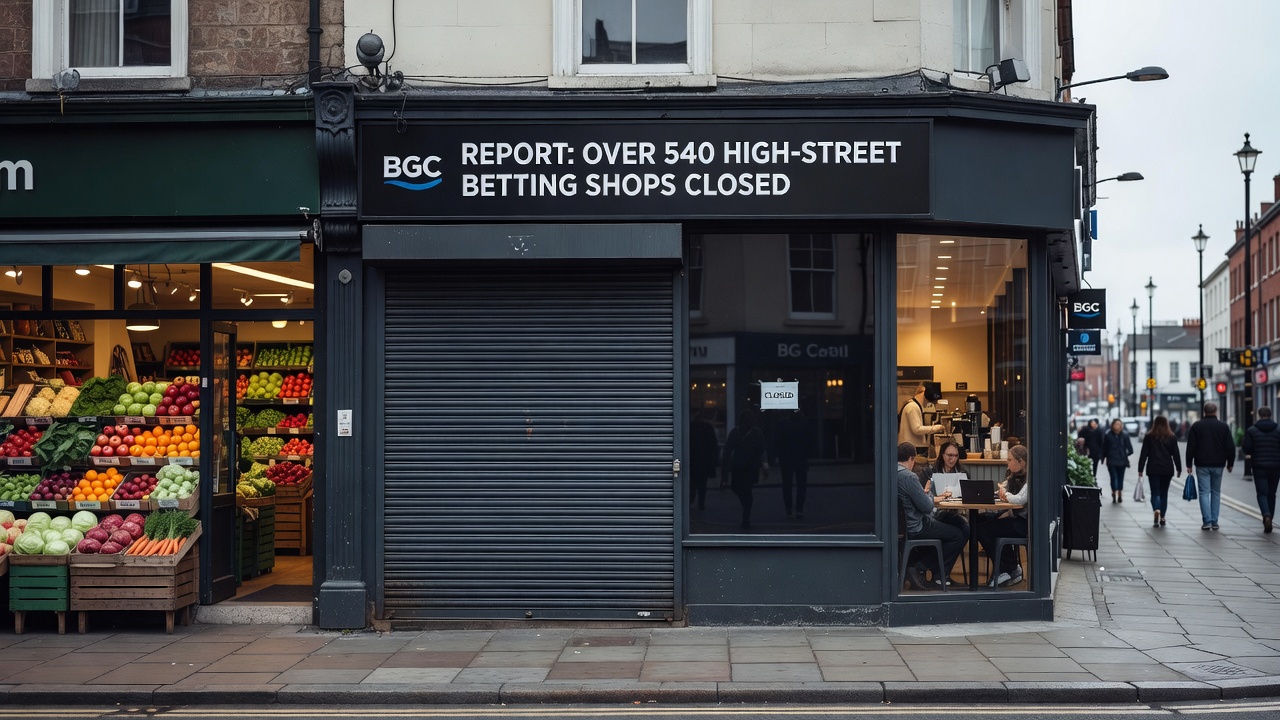
The Betting and Gaming Council has released figures showing more than 540 high-street betting shops closed across the UK since the previous Budget while around 4,500 jobs disappeared from the regulated sector during the same period. Observers note these closures stem directly from rising taxes and operating costs that continue to squeeze margins in an already pressured environment. The data adds to an ongoing pattern of contraction that stretches back several years.
Recent Closures Build on Longer-Term Decline
Since 2019 the industry has recorded the loss of roughly 3,000 shops and 15,000 positions according to the same industry body. These earlier reductions occurred alongside successive regulatory adjustments and tax measures that gradually altered the economics of physical betting outlets. The most recent wave of closures therefore represents an acceleration of trends already visible in employment and retail footprint statistics.
Industry representatives point out that each closed shop removes a local employer and a community hub where customers once placed bets in a supervised setting. The combined effect since the latest Budget has therefore produced measurable reductions in both physical presence and workforce numbers within the licensed high-street segment.
Warnings on Further Tax Increases
The Betting and Gaming Council has stated that additional tax rises, including those proposed for online gaming and sports betting, will trigger further shop closures, additional job losses and lower levels of capital investment. Data from the organisation indicates that operators face simultaneous pressures from corporation tax changes, business rates and other cost components that have increased since the Budget announcement.
Those who track the sector observe that the regulated market already operates under strict licensing conditions that impose compliance costs not faced by illegal operators. Any new levy applied across both land-based and digital channels therefore raises the possibility that some businesses will scale back or exit entirely rather than absorb sustained losses.
Concerns Over the Unregulated Market
The industry body has also highlighted the risk that higher taxes on licensed operators could push activity toward the unregulated black market. Figures released alongside the closure data show that black-market sites operate without the consumer protections, tax contributions or responsible gambling measures required of BGC members. Observers note that any migration of customers away from regulated channels would reduce both tax receipts and the visibility of problem-gambling safeguards.
Criticism of government responses appears in the same statement, with the council arguing that policy decisions have not adequately weighed the cumulative impact on employment and retail infrastructure. The organisation maintains that the current trajectory threatens the viability of remaining high-street outlets while failing to account for revenue that may simply move outside the tax system.
Employment and Investment Implications
Each round of closures removes not only front-line betting staff but also roles in regional management, security and maintenance that support the network. The 4,500 positions lost since the Budget therefore represent a broad cross-section of skills rather than a single occupational category. Reduced investment follows as operators defer refurbishment projects and technology upgrades when margins tighten.
Those monitoring the sector report that the combination of fewer outlets and lower staffing levels has already altered service patterns in many towns and cities. Remaining shops often operate with reduced hours or smaller teams while companies reassess their property portfolios ahead of further fiscal changes.
Conclusion
The Betting and Gaming Council report documents a clear acceleration in shop closures and job reductions that began after the most recent Budget and builds on losses recorded since 2019. The same statement warns that additional tax measures aimed at both land-based and online channels will intensify these trends and may expand the reach of unregulated operators. Figures and statements from the organisation therefore provide a direct account of current pressures facing the licensed betting sector and the potential consequences if policy settings remain unchanged.