Seasonal Variations in Promotional Structures for Loyalty Rewards Within Interactive Gaming Applications
Gisela Hughes · Sep 10, 2026
Seasonal Variations in Promotional Structures for Loyalty Rewards Within Interactive Gaming Applications
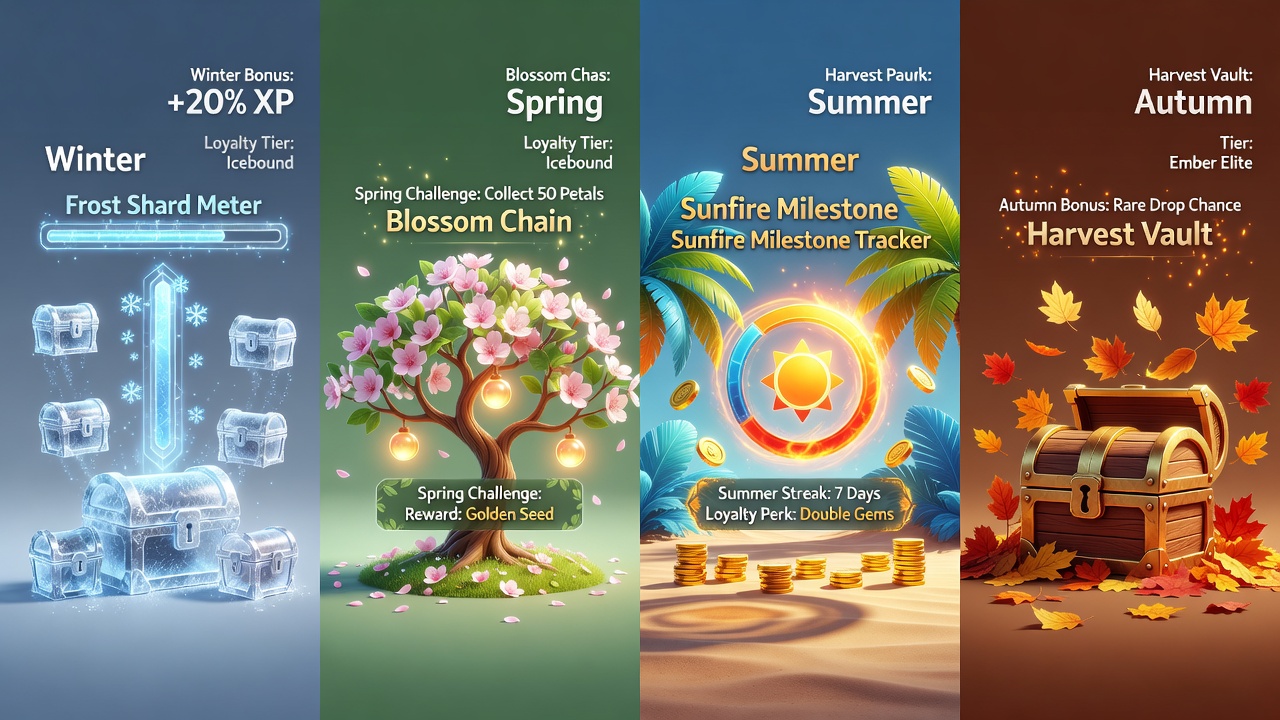
Interactive gaming applications have incorporated loyalty reward systems that adjust promotional structures according to seasonal cycles, and these changes reflect shifts in user engagement patterns alongside broader industry data. Developers track participation rates across different months, then modify point multipliers, reward tiers, and bonus events to align with holidays, school schedules, and weather-related play habits. Research from industry monitoring groups shows that summer months often feature outdoor-themed challenges while winter periods emphasize extended play sessions with cumulative rewards.
Patterns Observed in Summer and Autumn Months
During June through August, many applications introduce time-limited events that tie loyalty points to daily login streaks combined with collaborative challenges, and these structures encourage shorter but more frequent sessions. Data collected by gaming analytics firms indicates increased mobile usage in warmer weather correlates with promotions that reward quick achievements rather than marathon play. Observers note that September often marks a transition period when back-to-school themes emerge, replacing summer events with educational or achievement-based rewards that appeal to returning students adjusting their schedules.
Autumn promotions frequently layer in harvest or festival motifs, while point accumulation rates receive temporary boosts during specific weekends. One study released in 2025 documented a 22 percent rise in loyalty redemptions during September across major platforms, and similar figures appeared in reports covering multiple regions. Applications adjust the value of seasonal badges or exclusive items to maintain retention as outdoor activities compete for user attention.
Winter and Spring Adjustments in Reward Mechanics
Winter campaigns shift focus toward holiday collections and extended leaderboards that run across multiple weeks, and these longer arcs allow players to accumulate larger tier benefits. Figures from the Entertainment Software Association reveal that December typically sees the highest average session lengths, prompting developers to introduce multiplier events that scale with consecutive days of activity. Loyalty structures in this period often include gift-exchange mechanics where points convert into virtual items shared among users.
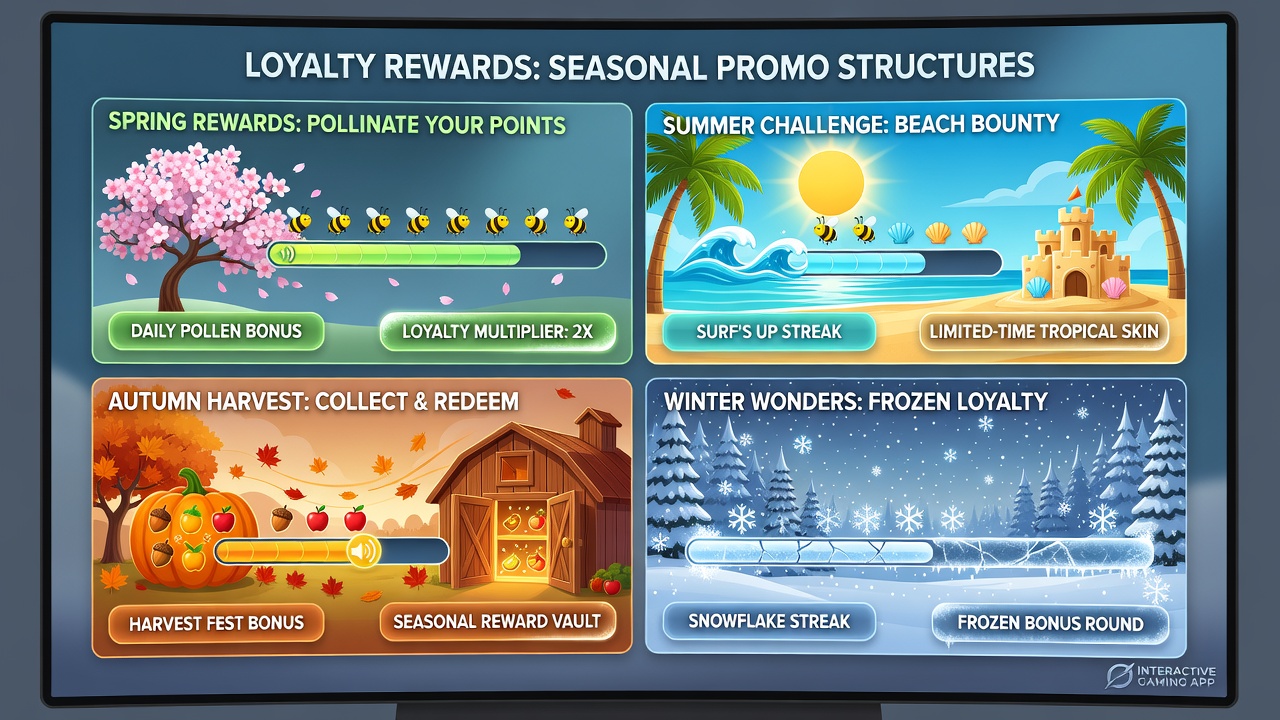
Spring brings renewal-themed updates that reset certain progress trackers while preserving core loyalty balances, and this approach balances new player onboarding with retention of established users. Research conducted by university teams in Canada and Australia has tracked how March and April promotions emphasize exploration rewards tied to in-game events that mirror real-world seasonal changes. Applications reduce the frequency of daily bonuses during these months yet increase the quality of milestone rewards to sustain engagement through transitional periods.
Data Trends and Platform Comparisons
Industry reports compiled in September 2026 highlighted that loyalty reward redemption rates varied by as much as 35 percent between summer and winter across leading interactive gaming platforms. European and North American developers apply different weighting to point categories depending on regional holidays, whereas Asian markets emphasize event-based multipliers during cultural festivals. These variations appear in aggregated telemetry shared among trade associations rather than single-company disclosures.
Cross-platform comparisons show that free-to-play titles adjust reward density more aggressively than premium applications, and this difference stems from reliance on ongoing monetization through loyalty engagement. Analysts tracking user cohorts over multiple years have identified that seasonal resets in point systems help prevent fatigue while still preserving long-term progression value. Government statistical agencies in several countries have begun including gaming app metrics in broader digital economy surveys, providing additional context for how loyalty structures evolve.
Technical Implementation of Seasonal Changes
Developers implement these variations through backend configuration updates that activate specific rule sets at predetermined dates, and such systems allow rapid testing of reward values without full application releases. Push notification schedules also shift seasonally to highlight new loyalty opportunities, with higher open rates recorded during holiday windows according to aggregated marketing data. Security protocols around point transactions remain consistent year-round even as promotional volume increases.
Testing cycles for seasonal features typically begin two to three months in advance, allowing teams to refine thresholds based on historical participation data. This preparation ensures that reward structures scale appropriately whether the application targets casual users or dedicated communities. Observers have documented that transparent communication about upcoming changes correlates with higher sustained engagement across seasonal transitions.
Conclusion
Seasonal variations in loyalty reward structures within interactive gaming applications follow measurable patterns tied to calendar events, user behavior data, and regional preferences. Reports from multiple sources confirm that these adjustments influence session duration, redemption frequency, and overall retention metrics throughout the year. Continued monitoring by industry and academic groups will track how evolving technologies and player expectations shape future promotional frameworks.