Regional Patterns in User Interface Adaptations for Virtual Sports Wagering Dashboards Across Emerging European Markets
Taylor Griffin · Sep 24, 2026
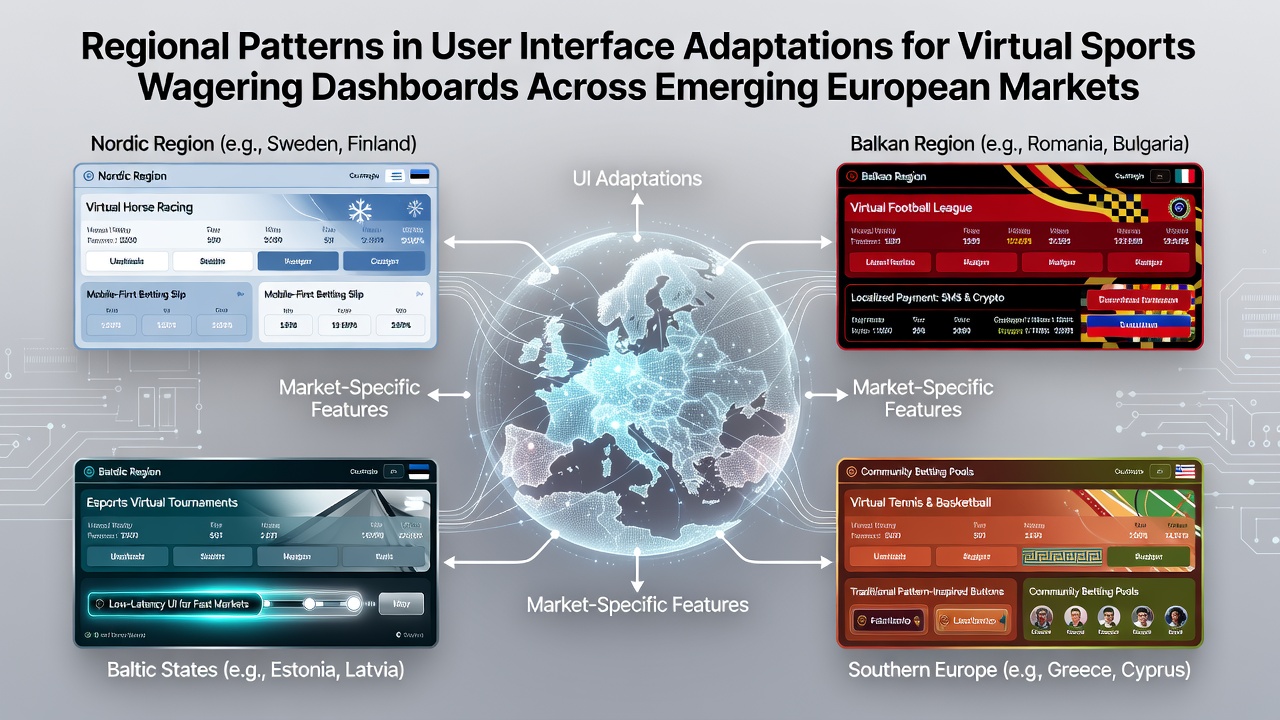
Regional Patterns in User Interface Adaptations for Virtual Sports Wagering Dashboards Across Emerging European Markets
Emerging European markets have shown distinct regional patterns in how virtual sports wagering dashboards adapt their user interfaces to local conditions, and these adaptations reflect regulatory requirements, device preferences, and cultural factors that vary from one country to another. Data from industry reports indicate that operators in Poland, Romania, Hungary, and the Czech Republic have implemented changes that differ markedly from those seen in more established markets, with a focus on mobile layouts, localized payment flows, and simplified navigation structures that accommodate varying levels of digital literacy.
Localization Strategies in Central and Eastern Europe
Operators active in Poland and the Czech Republic have prioritized language support and currency formatting that align with national standards, while researchers note that these interfaces often include prominent displays of local leagues alongside virtual simulations. According to a 2025 study by the University of Warsaw's Digital Economy Lab, dashboard elements such as bet slip placement and odds presentation shift toward the right side of the screen in Polish versions to match reading patterns common in that region. In contrast, Romanian platforms frequently integrate real-time language toggles between Romanian and Hungarian to serve cross-border users, and this approach appears in multiple deployments tracked by the European Interactive Gaming Association.
Payment integration follows similar regional lines. Platforms in Hungary emphasize bank transfer options with built-in verification steps that comply with national banking rules, and these steps appear as sequential panels rather than pop-ups to reduce user friction. Observers tracking these changes point out that September 2026 brought updates to several Hungarian operators' systems, where new virtual sports sections incorporated instant confirmation screens for local e-wallets, reducing the average transaction time by measurable margins in user testing data.
Mobile Optimization Patterns in the Balkans
Bulgaria and Romania present another set of adaptations centered on mobile-first designs, since penetration rates for smartphones exceed desktop usage in these markets. Dashboards here compress virtual event timelines into scrollable cards that fit smaller screens, and color schemes often incorporate national flag elements without violating regulatory color guidelines. A report issued by the Romanian National Gambling Office in early 2026 documented how operators adjusted button sizes and spacing after reviewing session data, resulting in larger tap targets for place-bet actions during live virtual matches.

These mobile layouts also incorporate offline caching for odds information, allowing users in areas with intermittent connectivity to review selections before reconnecting. Experts analyzing Balkan market data have found that such features appear more frequently in Romanian and Bulgarian interfaces than in neighboring countries, correlating with infrastructure reports from the European Commission's digital connectivity index.
Regulatory Influences on Dashboard Elements
Regulatory frameworks shape interface choices across these markets in measurable ways. The Czech Republic requires visible responsible gambling tools on every dashboard screen, leading operators to embed session timers and deposit limit sliders directly into the main navigation bar rather than in secondary menus. Data released by the Czech Ministry of Finance shows that compliance-driven placements increased user interaction with these tools by double-digit percentages within the first quarter after implementation.
In Poland, recent rules on virtual event transparency have prompted the addition of simulation source indicators next to each virtual sports market, and these indicators use icon-based systems that avoid text overload. Operators have tested multiple icon sets to ensure recognition across age groups, with results published in trade association summaries indicating higher clarity when symbols match those used in national lottery materials.
Payment and Security Adaptations
Security protocols integrated into wagering dashboards also display regional variation. Baltic markets, though smaller in scale for virtual sports, have introduced two-factor authentication flows that appear inline with bet placement rather than as separate windows, a pattern documented in reports from the Estonian Tax and Customs Board. These flows connect directly to national digital identity systems, reducing steps for verified users while maintaining compliance with data protection standards.
Across all examined markets, analytics from September 2026 deployments reveal that operators continue to refine these elements based on aggregated user behavior metrics, with A/B testing applied to navigation depth and information hierarchy. Industry organizations such as the European Gaming and Betting Association have compiled comparative tables showing how these adaptations cluster by region, providing benchmarks that new entrants reference when entering similar markets.
Conclusion
The patterns observed across emerging European markets demonstrate that user interface adaptations for virtual sports wagering dashboards respond to a combination of regulatory mandates, device usage statistics, and localized user expectations. Continued monitoring by academic and governmental bodies will track how these designs evolve as markets mature and as new technical standards emerge in the coming years.